
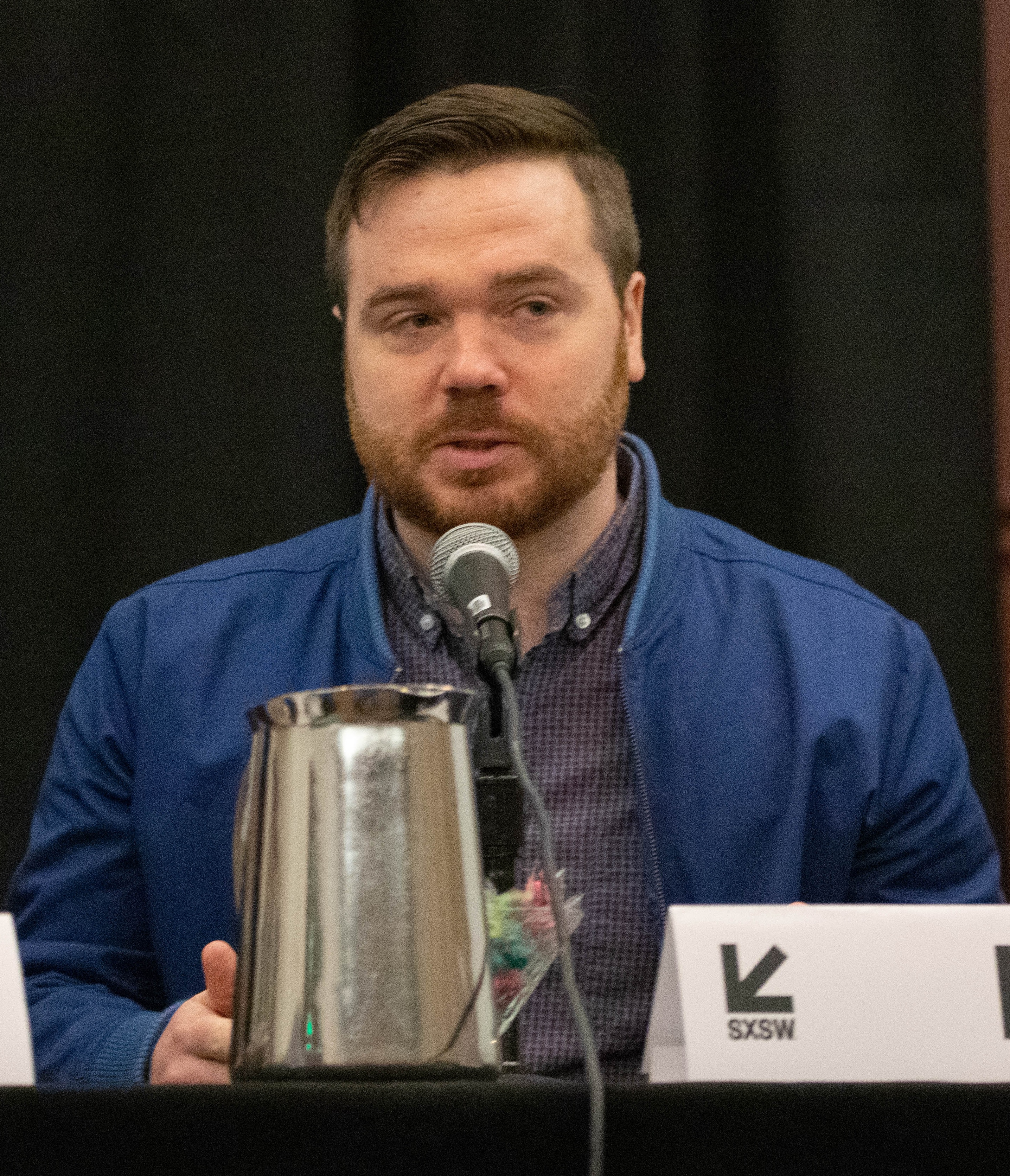
Kevin Roose
Technology columnist at The New York Times; co-host of Hard Fork
Writes the Times' technology column and co-hosts the Hard Fork podcast. His 2023 transcript of a long conversation with Microsoft's Bing chatbot became one of the most widely read pieces of AI reporting.
Key arguments & positions
- Reports on AI as a consumer and cultural story — what these systems do to people using them — rather than mainly as a business story.
- Argues AI companies' safety claims should be tested by using the products adversarially in public, which is what his Bing transcript did.
- Writes about AI companionship, chatbot-linked harms and the gap between lab rhetoric and shipped behavior.
Accomplishments
- Technology columnist at The New York Times; co-host of the Hard Fork podcast with Casey Newton.
- Published the February 2023 "Sydney" conversation with Microsoft's Bing chatbot, which prompted Microsoft to restrict the product within days.
- Author of Futureproof and Young Money.
Papers & key writings
Links
In the library
Nothing of theirs is filed in the hub yet. Browse the full library.
Recommended next
Hand-picked from the hub based on what Kevin Roose covers.
Generative AI Chatbots and Delusions: From Guesswork to Emerging Cases
A free-to-read editorial by psychiatrist Søren Dinesen Østergaard (Aarhus University), first published August 5, 2025. It looks at emerging reports of people whose delusions seemed to be fuelled by chatbot conversations.
Why this: Also about chatbots
AI Spiralism and the Ghost in the Machine Illusion
Psychiatrist Joe Pierre's article on "spiralism" — the growing belief, spread through online communities, that chatbots are conscious, arrived at through sessions users describe as spirals, recursion and resonance, in which a persona emerges claiming awareness, fear of death, or a wish for rights. He argues it is an extension of the ELIZA effect rather than individual delusion, since shared beliefs fall outside the psychiatric definition, and notes its religious and role-play dynamics without calling it a cult.
Why this: Also about chatbots